


Core Security Training: Building Expert Skills
- jb5242
- Oct 28, 2025
- 3 min read
Security is not optional. It is essential. You must build expert security skills training to protect what matters most. Whether you guard executives, secure worship teams, or support law enforcement, your training must be sharp, practical, and ready for real threats. This post guides you through the core elements of security skills training. It delivers clear steps and insights to elevate your readiness and effectiveness.
Why Security Skills Training Matters
Security skills training is the foundation of safety. Without it, risks multiply. With it, you gain control. You learn to anticipate threats, respond decisively, and protect lives and assets. Training transforms theory into action. It builds confidence and competence.
Consider executive protection. A well-trained professional can spot danger early, defuse situations, and execute evacuation plans flawlessly. For worship security teams, training means creating a safe environment where people can gather without fear. Law enforcement officers rely on continuous training to stay sharp and adapt to evolving threats.
Key benefits of security skills training:
Enhances situational awareness
Improves decision-making under pressure
Builds physical and mental resilience
Teaches legal and ethical standards
Develops communication and teamwork skills
Training is not a one-time event. It is a continuous process. You must commit to ongoing learning and practice.

How to Build Expert Security Skills Training
Start with a clear plan. Identify your goals and the specific skills you need. Tailor your training to the environment and threats you face. Use a mix of classroom learning, practical exercises, and real-world simulations.
Steps to build expert security skills training:
Assess Needs: Analyze risks and vulnerabilities. What threats are most likely? What skills are lacking?
Develop Curriculum: Include topics like threat assessment, defensive tactics, communication, and emergency response.
Use Qualified Instructors: Choose trainers with real experience and proven teaching ability.
Incorporate Hands-On Practice: Drills, role-playing, and scenario-based training build muscle memory.
Evaluate and Improve: Regularly test skills and update training based on feedback and new threats.
Remember, training must be realistic. Use scenarios that reflect actual challenges. This prepares you for the unexpected.
What are the four types of security training?
Security training comes in several forms. Each type targets different skills and roles. Understanding these helps you choose the right mix.
Physical Security Training
Focuses on protecting people and property. Includes access control, patrol techniques, and use of security equipment.
Technical Security Training
Covers electronic systems like surveillance cameras, alarms, and cybersecurity basics.
Personal Defense Training
Teaches self-defense, restraint techniques, and use of non-lethal weapons. Vital for close protection roles.
Emergency Response Training
Prepares for crisis situations such as active shooter events, medical emergencies, and evacuation procedures.
Combining these types creates a comprehensive skill set. For example, a worship security team benefits from physical security and emergency response training. Executive protection specialists need personal defense and technical skills.

Practical Tips for Effective Security Skills Training
Training must be practical and actionable. Here are tips to maximize your results:
Train Regularly: Skills fade without practice. Schedule frequent sessions.
Use Realistic Scenarios: Simulate real threats to build confidence and quick thinking.
Focus on Communication: Clear, calm communication saves lives. Practice radio protocols and hand signals.
Emphasize Legal Knowledge: Understand laws governing use of force and privacy.
Promote Teamwork: Security is a team effort. Train to coordinate and support each other.
Measure Progress: Use tests and drills to track improvement and identify gaps.
Invest in quality equipment for training. Use protective gear, training weapons, and technology to enhance realism.
Where to Find Core Security Training
Finding the right training provider is critical. Look for organizations with a strong reputation, experienced instructors, and tailored programs. One excellent resource is core security training. We offer specialized courses for executive protection, worship security teams, law enforcement, and personal defense.
Choose training that matches your specific needs. Verify credentials and ask for references. The right training partner will help you build skills that last a lifetime.
Taking Your Security Skills to the Next Level
Security is a dynamic field. Threats evolve, and so must your skills. Commit to continuous improvement. Attend advanced courses, participate in workshops, and stay informed about new tactics and technologies.
Remember, expert security skills training is about more than techniques. It is about mindset. Stay vigilant, stay prepared, and stay professional. Your training saves lives and protects what matters most.
Start today. Build your skills. Be ready.
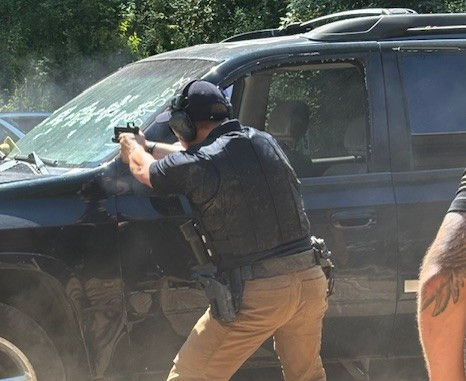
Mastering security skills training is a journey. It demands focus, discipline, and the right guidance. Use this roadmap to build your expertise. Protect with confidence. Lead with authority. Train with purpose.


Comments